


 Home
Home


ET AI Hackathon 2.0
Cardiology - As a career option
 0 min read
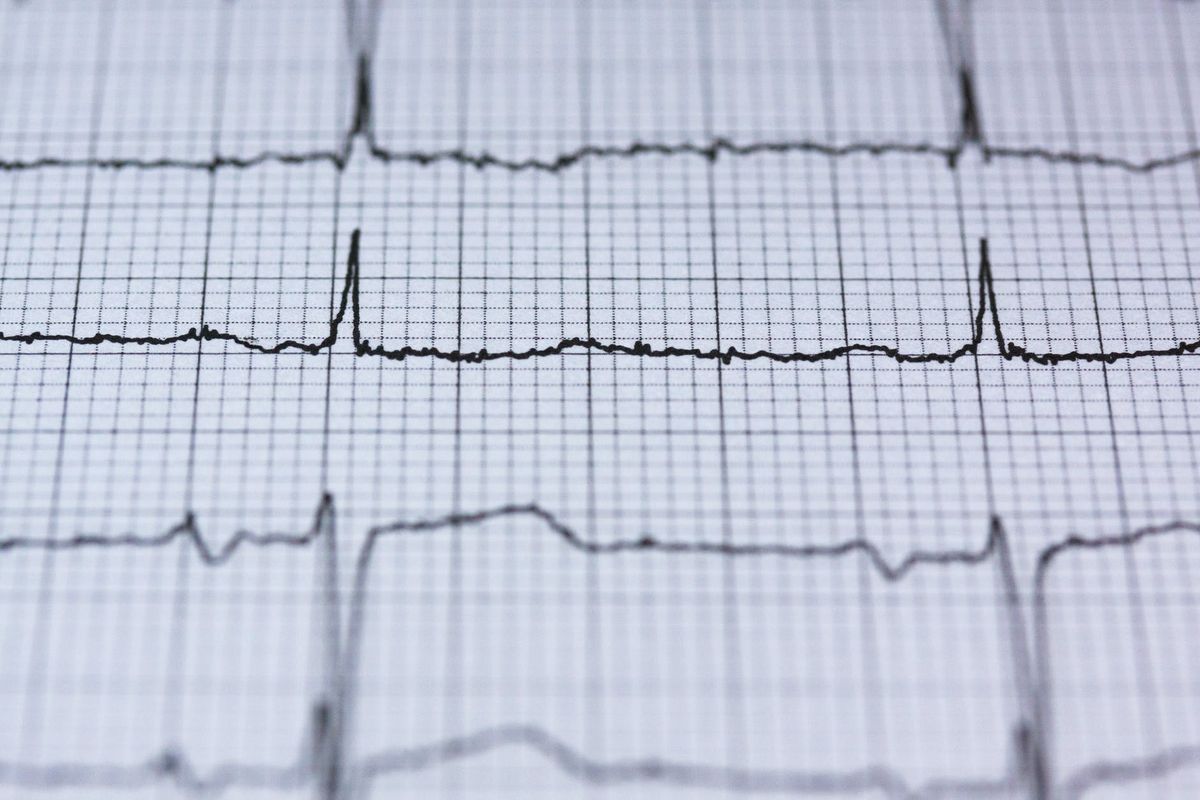
Cardiology is a medical discipline that deals with the study of all things related to the heart. Even a decade ago, human beings had gaping holes in their understanding of the inner workings of the heart and many a time, having an acute heart condition had little or no hope of treatment even after a patient was admitted to the hospital.
Today, however, medical science and biomedical engineering have come a long way – so long, in fact, that timely treatment can treat almost any heart condition. Even then, heart disease continues to be the leading cause of death in India and claim more lives than road accidents or lung cancer.
Hence, being a cardiologist in today’s world is more than a career choice – it’s also a choice of rising to the need of the hour to give your life meaning.
While medical science itself is a highly competitive and challenging discipline, cardiology is, with the possible exception of neurology, the most difficult sub-discipline that comes to mind. Hence, even among doctors, only the most competitive and capable go on to become cardiologists. Therefore, if you see yourself being one in the future it’s important that you start planning for it early.
One of the things that cardiologists find indispensable to their profession is the ability to keep a cool head and perform patiently in the face of stress and time constraints.
The delay of the split of a second can kill or save a life, and while the thought is undoubtedly stressful, a successful cardiologist is one who has trained their bodies to react to said stress with increased calmness and precision. The profession routinely attracts individuals with high determination and an eye for difficult feats.
How to become a Cardiologist?
The first step you take has to be during in your school year – and this usually involves opting for biology and bio-oriented curriculum wherever possible instead of the more mathematical curricula that are associated more with the natural sciences.
At the end of class XII, students from all over the nation take a number of medical entrance examinations such as the AIPMT (All India Pre-Medical Test), from where medical students are accepted into hospitals around the nation.
The life of a medical student is one that has received significant media attention both in India and abroad, and while it’s undoubtedly a lot of fun, the side of being a medical student that is often left out is that doing well in med school is quite difficult and requires significant amounts of hard work.
Eligibility criteria to become a cardiologist
+2: Must graduate in science stream with biology in the curriculum
Bachelor’s Degree: MBBS
Master’s Degree: MD
After clearing your first medical degree, you’ll be required to do a medical internship that’ll last several months, where you’ll be given hands-on training to prepare you to be a doctor.
While most of your colleagues at this stage will quit the classroom and enter their own practice, being a cardiologist would require you to return to school and pursue a second degree – an MD, with a specialization in cardiology or cardiothoracic surgery.
Once your specialization is complete, you’ll begin a long but steady period of gaining experience under the guidance of experts in the field until you reach a point where your own expertise becomes of the quality that thousands of people would depend on with their lives.
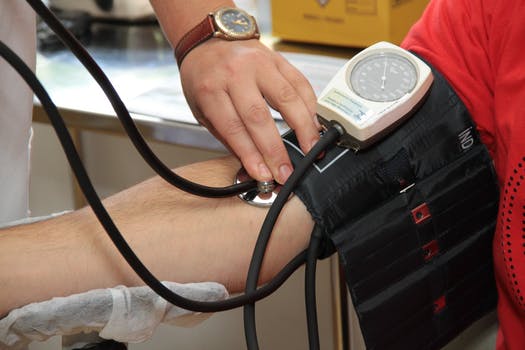
A day in the life of a Cardiologist
Good morning! I’m Dr Todi, a consultant cardiologist from a leading government hospital in the country. You’ve probably visited the hospital before and have seen doctors go about their daily deliberations, but today, I hope to show you the life of a medical practitioner from the other side. Prepare yourself to see one of the most bewildering jobs in the world.
7:00 AM: I’m not required to show up at the hospital before 11 AM when my clinic duty begins. I usually show up three hours early to do a quick round of the cardio ward and ensure that my patients were well over the night.
9:00 AM: You’ll be interested to know that many hospitals do not fix scheduled working hours for their doctors outside of clinic duty – we spend more hours in here than they’ll be willing to pay us for anyway, there’s little else to do when your patient’s life hangs by a thread. Unlike most jobs, no night ever passes in our profession without new developments.
10:00 AM: I’m sitting in my study with an Antriksh, a junior doctor in my department who was on duty last night. Last night, a new patient arrived in with acute myocardial infarction, while one of my existing patients fainted inexplicably and has been moved back to intensive care.
You may think that this is traumatic, but I don’t. I’m going to have to operate twice today, so I send out word for my students to be present during the procedures.
12:00 PM: My clinic duty extends until 2 PM but I received a call from the hospital management staff regarding an emergency – a patient has shown up with cardiac arrest and I am wanted at once. A 58-year-old woman’s heart has stopped following the ingestion of a lethal amount of pain medication.
1:00 PM: At this point, there’s a less than 50% chance of survival – I wait for my juniors to attempt to defibrillate her heart and restore normal sinus rhythm. They succeed on the third try. I instruct her to be put on full ventilation until the evening and leave. She’s in danger, but so are two other people.
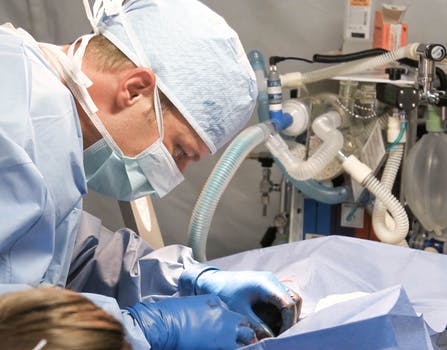
2:30 PM: Just wrapped up the last of my out-patients and am gulping down an energy bar. I’ll operate on my MI (Myocardial infarction) patient in 30 minutes. It’s a procedure we cardiologists call coronary angioplasty. I’ve done it about two hundred times before, so I’m confident things will go on the nod.
3:30 PM: The angioplasty is done with and the patient has been moved to post-operative care. I’m on my way to the cardiac ward to see my second, relapsed patient. Presumably, the problem has stemmed from an electrolyte imbalance that must be confirmed with blood tests.
After meeting my patient, I’ll head over to the Cardio-Thoracic Laboratory where today afternoon’s cardiac arrest patient has been scheduled for an open-heart surgery. Depending on the extent of damage to her heart, the surgery might last several hours.
This is where I’ll leave you today. I hope that this helps you decide upon the medical profession as a prospective career.Have your say in the comment box below. Enjoy Reading!
Login to continue reading
And access exclusive content, personalized recommendations, and career-boosting opportunities.
Don't have an account? Sign up

Never miss an
Update

Featured Opportunities


Top-Rated Practice by Students






Subscribe
to our newsletter







Comments
Add comment