


 Home
Home


HP Power Lab 3.0
Table of content:
- What Are Soft Skills?
- Top 12 Tips to Improve Your Soft Skills
- How to Improve Soft Skills: Manager vs Employee
- How to Improve Soft Skills in the Workplace?
- Effective Methods to Improve Soft Skills
- Key Differences Between Soft Skills Vs. Hard Skills
- Conclusion
- Frequently Asked Questions (FAQs)

How to Improve Your Soft Skills? Top 12 Tips with Examples & More
Learn how to develop essential soft skills like communication, leadership, and emotional intelligence with proven strategies for individuals, teams, and managers.
 0 min read
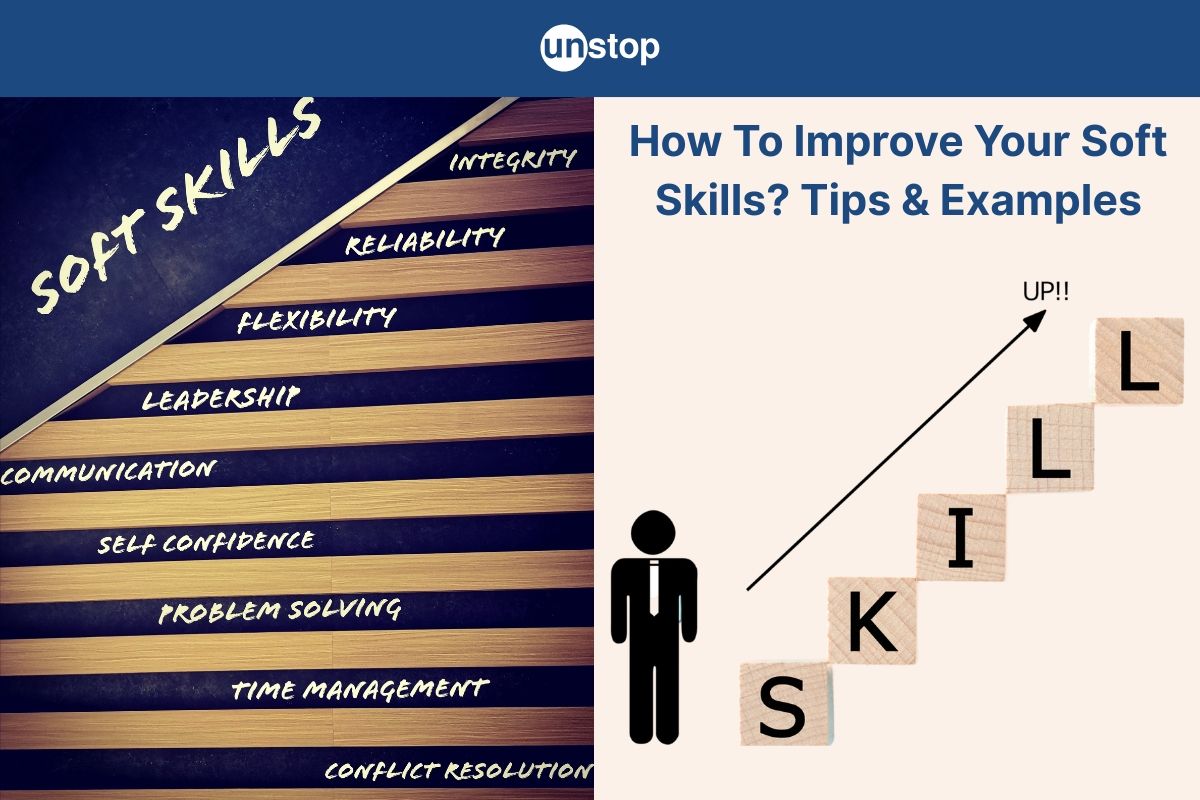
In today’s rapidly evolving workplace, soft skills are no longer just "nice-to-have" traits; they are crucial for success in virtually every role. Mastering soft skills can elevate your career, improve your relationships, and make you a more valuable asset to any organization.
This article will explore practical steps on how to improve soft skills, specifically for individuals, managers, and within the workplace. Whether you’re looking to enhance your personal growth or strengthen your team's performance, this article offers actionable strategies and insights.
What Are Soft Skills?
Soft skills are personal qualities and social abilities that help you interact effectively with others. They’re not usually taught in a traditional classroom, but they can make or break your career. Unlike hard skills, which are job-specific technical abilities (like coding or accounting), soft skills are more universal and interpersonal in nature.
List of Key Soft Skills
These skills are essential for building meaningful professional relationships, adapting to workplace challenges, and fostering a positive work culture.
|
Skill |
Definition |
Why It Matters |
|
Communication (Verbal and Non-verbal) |
Conveying ideas clearly through spoken words, tone, gestures, posture, and expressions. |
Builds understanding, trust, and stronger relationships. |
|
Collaboration and Teamwork |
Working cooperatively with others to achieve shared goals. |
Enhances productivity and creates a positive work culture. |
|
Problem-solving and Critical Thinking |
Identifying, analyzing, and resolving issues efficiently; assessing information logically. |
Leads to better decision-making and creative solutions. |
|
Adaptability and Flexibility |
Adjusting to changes quickly and modifying approaches as needed. |
Helps navigate uncertainty and thrive in changing environments. |
|
Emotional Intelligence (EQ) |
Recognizing, understanding, and managing emotions, both yours and others. |
Improves communication, leadership, and relationship-building. |
|
Conflict Resolution |
Managing disagreements constructively through active listening and negotiation. |
Maintains healthy relationships and prevents workplace disruptions. |
|
Leadership and Motivation |
Inspiring and guiding individuals or teams toward goals; encouraging enthusiasm. |
Drives team success, engagement, and goal achievement. |
|
Time Management and Organization |
Prioritizing tasks effectively and maintaining structured systems for efficiency. |
Increases productivity, reduces stress, and meets deadlines. |
|
Creativity and Innovation |
Generating original ideas and turning them into valuable solutions or products. |
Fuels growth, competitiveness, and new opportunities. |
Top 12 Tips to Improve Your Soft Skills
Enhancing your soft skills starts with small, consistent efforts; these 12 practical tips will help you communicate better, lead confidently, and grow professionally.
|
Tip |
How to Apply |
Example |
Why It’s Important |
|
Practice Active Listening |
Focus completely on the speaker without interrupting; respond thoughtfully. |
Nodding, summarizing points back like, "So you mean..." |
Builds trust, reduces misunderstandings, and strengthens communication. |
|
Seek Constructive Feedback |
Regularly ask mentors or peers for feedback on your communication, teamwork, etc. |
After a meeting, ask, “What could I have done better?” |
Helps uncover blind spots and accelerates improvement. |
|
Engage in Team Activities |
Join group projects, sports teams, or volunteer organizations. |
Organizing a charity event with a team. |
Develops collaboration, leadership, and adaptability skills. |
|
Step Outside Your Comfort Zone |
Try new roles, projects, or social settings that challenge you. |
Leading a presentation even if you're shy. |
Expands your emotional intelligence and resilience. |
|
Reflect After Interactions |
Take 5 minutes after meetings to reflect: What went well? What could be improved? |
Journaling after a debate on what emotional triggers arose. |
Builds self-awareness and emotional intelligence. |
|
Take Soft Skill-focused Courses |
Enroll in workshops on communication, negotiation, or leadership. |
Taking an online “Effective Business Communication” course. |
Structured learning accelerates professional growth. |
|
Practice Empathy Daily |
Consciously put yourself in others’ shoes during discussions. |
Saying, "I understand why that frustrated you," before offering a solution. |
Improves interpersonal relationships and conflict resolution. |
|
Improve Your Written Communication |
Practice writing clear, professional emails, proposals, or social media posts. |
Sending a concise yet friendly email after a client meeting. |
Enhances clarity, professionalism, and influence. |
|
Volunteer for Leadership Roles |
Volunteer to lead a small team or project at work or in community groups. |
Leading a small committee organizing a conference. |
Builds leadership, decision-making, and motivational skills. |
|
Develop Critical Thinking Skills |
Always question assumptions and analyze problems before jumping to conclusions. |
Use a pros and cons list before making a big decision. |
Sharpens decision-making and problem-solving abilities. |
|
Prioritize Time Management |
Use planners, set deadlines, and block calendar times for focused work. |
Allocating 2 hours each morning for deep, uninterrupted work. |
Increases productivity, reduces stress, and improves reliability. |
|
Embrace Adaptability in Daily Life |
Accept changes positively and find solutions quickly. |
Adjusting your approach when a project requirement changes mid-way. |
Embracing adaptability in daily life helps you stay resilient and flexible and thrive amid change and uncertainty. |
How to Improve Soft Skills: Manager vs Employee
Soft skill development varies between managerial and non-managerial roles, yet both are vital for organizational success.
|
Soft Skill |
As a Manager |
As an Employee |
|
Communication |
Be clear and transparent in updates and expectations. Listen actively and provide constructive feedback. |
Communicate clearly (written & verbal). Ask for clarification and mind non-verbal cues. |
|
Emotional Intelligence |
Stay self-aware and composed in tough situations. Show empathy and understand team emotions. |
Manage your emotions and recognize triggers. Practice empathy and build strong interpersonal relationships. |
|
Conflict Resolution |
Address conflicts early with fairness. Be neutral and foster constructive dialogue. |
Stay calm and focus on solutions. Respect differences and aim for common ground. |
|
Teamwork & Collaboration |
Build a collaborative environment. Delegate based on strengths and provide support. |
Actively contribute in teams. Be adaptable and willing to assist peers. |
|
Time Management |
Help prioritize tasks and set realistic deadlines. Use time-blocking to enhance team efficiency. |
Prioritize work using tools. Avoid procrastination and use time-blocking for focus. |
|
Adaptability |
Lead by example during changes. Offer support and flexibility to help the team adjust. |
Embrace change and stay positive. Be proactive in adapting and learning. |
|
Leadership & Motivation |
Inspire through example and empower others. Recognize and celebrate achievements. |
Take initiative and support peers. Stay motivated and foster a positive environment. |
|
Creativity & Innovation |
Encourage idea-sharing and risk-taking. Promote learning and experimentation. |
Think innovatively and accept feedback. Collaborate creatively with team members. |
|
Decision-Making |
Be confident, inclusive, and risk-aware. Balance short- and long-term impacts. |
Gather information before deciding. Be decisive and treat mistakes as learning opportunities. |
How to Improve Soft Skills in the Workplace?
Creating a culture that emphasizes soft skills benefits the entire organization. When employees excel in interpersonal skills, teamwork, and emotional intelligence, productivity and job satisfaction soar.
Offer Structured Soft Skills Training Programs
Provide employees with formal workshops and training courses on key soft skills such as communication, leadership, time management, and emotional intelligence. Invite external trainers or industry experts to deliver impactful sessions.
Implement Peer Learning and Mentoring
Set up peer mentoring programs where experienced employees guide newer ones. Encourage employees to exchange knowledge through workshops, group discussions, or collaborative projects.
Make Soft Skills Part of the Performance Review Process
Integrate soft skills evaluation into annual performance reviews alongside traditional metrics like productivity or technical skills. Reward employees for demonstrating positive interpersonal behavior, such as teamwork, communication, and leadership.
Foster a Feedback Culture
Create an environment where employees feel comfortable offering and receiving constructive feedback. Encourage continuous dialogue about areas for improvement, both in terms of technical and interpersonal growth.
Promote Diversity and Inclusion
Celebrate diversity in the workplace, as it encourages the development of interpersonal skills through varied perspectives and cultural awareness. Offer training on unconscious bias, cross-cultural communication, and inclusive practices.
Effective Methods to Improve Soft Skills
Improving soft skills requires consistent effort and a variety of techniques. Here are proven methods to enhance your soft skills:
Enroll in Online Courses & Certifications
Take advantage of online platforms to gain formal knowledge on communication, leadership, and emotional intelligence. Many courses offer certifications that can add value to your resume.
Read Books and Articles on Soft Skills
Dive into books like "Emotional Intelligence" by Daniel Goleman or "How to Win Friends and Influence People" by Dale Carnegie to understand interpersonal dynamics and effective communication strategies.
Participate in Group Activities
Join group discussions, role-playing activities, or team challenges that simulate real-world work situations. These activities build problem-solving, collaboration, and leadership skills in a practical, hands-on manner.
Volunteering and Community Engagement
Volunteering is an excellent way to practice leadership, empathy, and team coordination. Volunteer for leadership roles in community events or charitable organizations to develop your soft skills outside of a professional setting.
Work with a Mentor or Coach
Seek out a mentor who can provide guidance on improving your communication skills and navigating interpersonal challenges. Professional coaching, especially in leadership or emotional intelligence, can help accelerate your growth.
Key Differences Between Soft Skills Vs. Hard Skills
Understanding the key differences between soft skills and hard skills is essential for balanced career growth and long-term success:
|
Feature |
Hard Skills |
Soft Skills |
|
Definition |
Specific, teachable abilities or technical knowledge |
Personal traits and interpersonal abilities |
|
How You Learn Them |
Formal education, training, certifications |
Life experience, practice, reflection, feedback |
|
Measurement |
Easily tested or assessed (e.g., exams, practical tests) |
Observed through behavior, relationships, feedback |
|
Examples |
Programming, Accounting, Engineering, Data Analysis |
Communication, Leadership, Adaptability, Teamwork |
|
Taught In |
Schools, universities, professional courses |
Workshops, mentorships, daily interactions, experience |
|
Importance |
To qualify for a specific job |
To excel, grow, and thrive in that job and career |
|
Transferability |
Industry-specific (e.g., a CPA certification for finance) |
Universal across all industries and roles |
|
Longevity |
Can become outdated with new technology |
Timeless and grows stronger with experience |
|
Tools for Improvement |
Courses, certifications, technical practice |
Self-awareness, coaching, real-world application |
Conclusion
Soft skills aren't just nice-to-haves; they are essential career tools. They open doors, build bridges, and help you stand out in a noisy, competitive world. Start small. Stay consistent. And remember: Technical skills might get your foot in the door, but soft skills will take you to the top.
Frequently Asked Questions (FAQs)
1. What are the top 5 soft skills that every professional should focus on?
The top five soft skills are communication, teamwork, problem-solving, adaptability, and emotional intelligence. These skills are essential for fostering strong relationships, managing change effectively, and navigating workplace challenges with confidence.
2. How long does it take to improve soft skills?
Improving soft skills is a continuous process, but with consistent practice and feedback, you can see significant improvement in as little as 3–6 months, depending on the complexity of the skills and your commitment.
3. Can soft skills be learned, or are they innate?
Soft skills are not fixed traits; they can be learned and strengthened over time. While some individuals may naturally excel in areas like empathy or leadership, anyone can develop these skills through consistent practice, training, and the right strategies.
4. How can managers improve their team’s soft skills?
Managers can improve their team’s soft skills by offering training opportunities, encouraging peer feedback, and promoting a culture of continuous learning. Additionally, team-building activities and mentorship programs can be beneficial.
5. How can emotional intelligence impact my career success?
High emotional intelligence (EQ) can improve your ability to navigate workplace challenges, manage stress, and build meaningful relationships. Professionals with high EQ are often better leaders, communicators, and problem solvers, which can lead to faster career growth.
Suggested reads:
- Must-Have Skills For Resumes: The Complete Guide (100+ Examples)
- Soft Skills - Examples Based on Job Profiles, Tips & More!
- Essential Technical And Soft Skills For Career Growth In 2026
- 7 Soft Skills You Need To Be A Successful Software Developer
- How to Future-Proof Your Career as a Professional? Get the 10 Essential Skills
Login to continue reading
And access exclusive content, personalized recommendations, and career-boosting opportunities.
Don't have an account? Sign up

Never miss an
Update




Top-Rated Practice by Students





Subscribe
to our newsletter





Comments
Add comment