


 Home
Home


HP Power Lab 3.0
10 Common Talent Assessment Mistakes To Avoid In 2026
Most hiring teams are still making the same old mistakes, from ignoring cheating red flags to using one-size-fits-all tests. This blog outlines 10 real-world errors recruiters can’t afford to repeat in 2025 and how smarter assessments fix them.
 0 min read
If you have been hiring for a while, you know that resumes lie, interviews mislead, and tests often tell you what you want to hear AND NOT WHAT YOU NEED TO KNOW!
But that’s not the scary part.
The scary part is how teams are still using outdated or broken assessment practices and hoping for better outcomes.
If you Ignore them, you WILL risk wasting time, losing good candidates, or hiring the wrong ones based on flawed signals.
Here are the 10 most common assessment mistakes recruiters are still making and what to do instead in 2026.
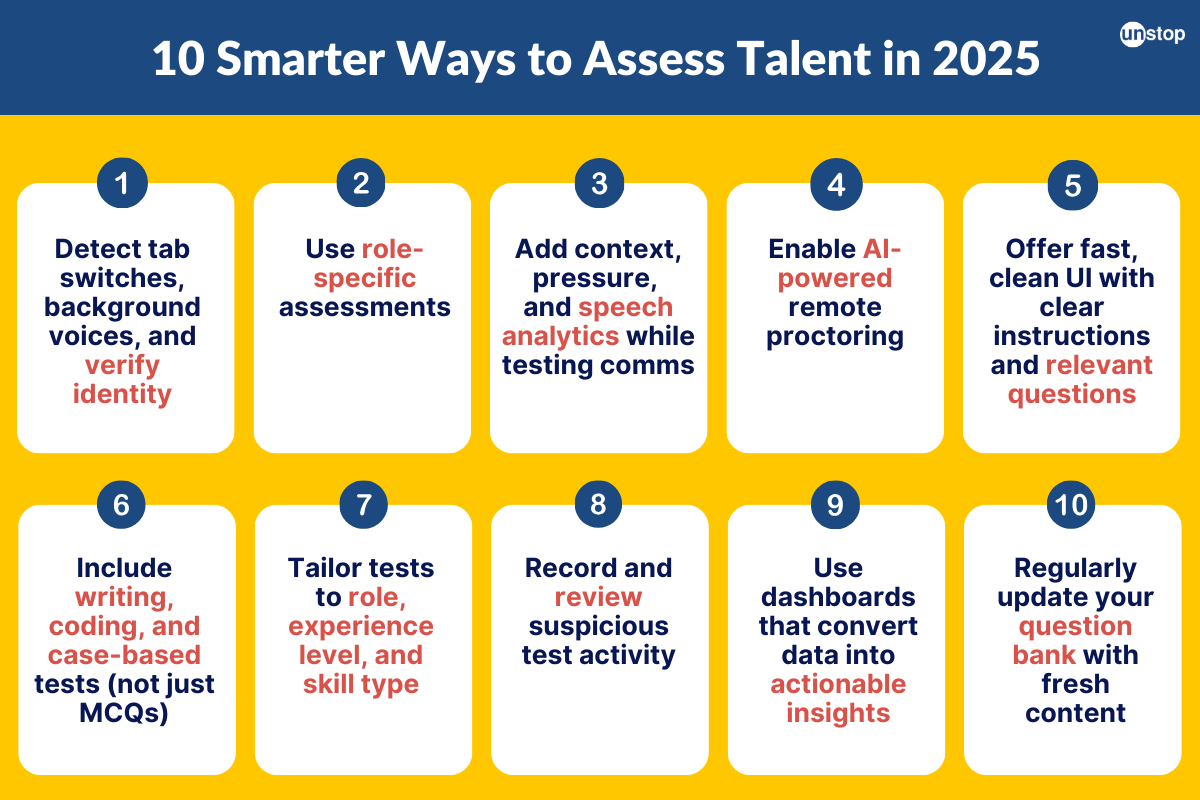
1. Treating cheating like a one-off problem
If you still think cheating is rare in online assessments, you have not looked closely enough. Tab switches, mobile devices, even remote impersonation, it’s happening, and it’s messing with your data.
Solution: Use platforms that detect tab switches, background voices, and even verify candidate identity using Aadhaar. It’s not about paranoia. It’s about not hiring someone else’s friend.
2. Using the same test for every role
A general aptitude test for a sales role, a coder, and a marketing associate? That’s not an assessment. That’s a blunder mistake.
Solution: Role-specific assessments that test domain skills, thinking style, and communication ability make all the difference. When the test matches the job, the results start making sense.
3. Ignoring context while testing communication skills
Not all good speakers are good communicators. And, not every fluent candidate can express their thoughts clearly under pressure or in role-specific situations. When you judge communication in isolation without context, time limits, or real use cases, you miss the full picture.
Solution: Use tools that evaluate speech fluency, pronunciation, grammar, and even latency during a response. That tells you how someone actually communicates, not just how they sound when relaxed.
4. Skipping remote proctoring in a hybrid world
Hybrid/remote hiring is here to stay. But if your assessments are not being properly monitored, you are flying blind.
Solution: Try platforms with AI proctoring that can flag multiple faces, background noise, or suspicious behavior in real-time. It is like having a watchful eye without being intrusive.
5. Overlooking candidate experience
If your test is clunky, crashes mid-way, or asks irrelevant questions, candidates will drop off. And the worse part, the good ones will never come back.
Solution: Try a smoother UI, faster load times, relevant questions, and clear instructions. It is basic hygeine, not a bonus.
6. Relying only on MCQs to judge talent
MCQs are fine until you try hiring for roles that need writing, speaking, coding, or problem-solving under pressure.
Solution: Try simulators, writing samples, case studies, or even gamified tasks to get a far more accurate picture. MCQs alone just scratch the surface.
7. Testing everyone the same way
A fresher and a mid-level hire don’t need the same questions. A data analyst and a UI designer shouldn’t be tested on the same thinking style.
Solution: Opt for AI-powered platforms that can generate tests tailored to the role, experience level, and skill type. This isn’t a one-size-fits-all game.
8. Not reviewing test footage when things feel off
You suspect something’s off. Maybe a candidate finishes too fast, scores too high, or types with robotic perfection. But you have no way to validate it.
Solution: Use tools that record screen activity, flag suspicious behavior, and allow playback. You do not need to micromanage, just verify when it matters.
9. Drowning in data without real insights
Getting a test score is easy. Knowing what it means in terms of fit, potential, and red flags is harder.
Solution: Use dashboards that break down performance by skill, question type, and behavioral cues. Data is only helpful when it leads to better decisions.
10. Letting assessments stay stale for too long
Some companies have not changed their test questions in years. Candidates know it. So do their coaching centers and friends.
Solution: Pull from fresh question banks, include real-world simulations, and stay a step ahead of those trying to game the system.
Final thoughts
Hiring is hard. But bad assessments make it harder.
If you have seen dropouts, bad hires, or confused interviewers wondering why a “top scorer” can’t speak up in meetings, maybe it’s time to rethink your process.
2026 will demand more from recruiters. More context. More control. More credibility.
The good news?
There are tools that help you get there without burning your budget or your bandwidth.
Time to look at your assessments with a sharper lens!
Login to continue reading
And access exclusive content, personalized recommendations, and career-boosting opportunities.
Don't have an account? Sign up

Never miss an
Update





Top-Rated Practice by Students



Subscribe
to our newsletter


Blogs you need to hog!
Organize Hackathons: The Ultimate Playbook With Past Case Studies
Shivani Goyal

What is Campus Recruitment? How To Tap The Untapped Talent?
Shivangi Vatsal
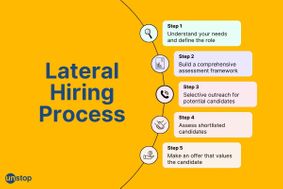
Lateral Hiring: A Complete Guide To The Process, Its Benefits, Challenges & Best Practices
Srishti Magan
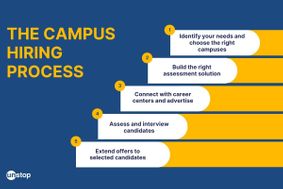
Step-By-Step Approach To Building A Winning Campus Recruitment Strategy
Srishti Magan

Comments
Add comment