


 Home
Home


PROSPERITY: IMC’S Global Trading Challenge
Direct Ph.D. Admission After 4-Year Bachelor's Degree; Masters' No Longer Required
 0 min read
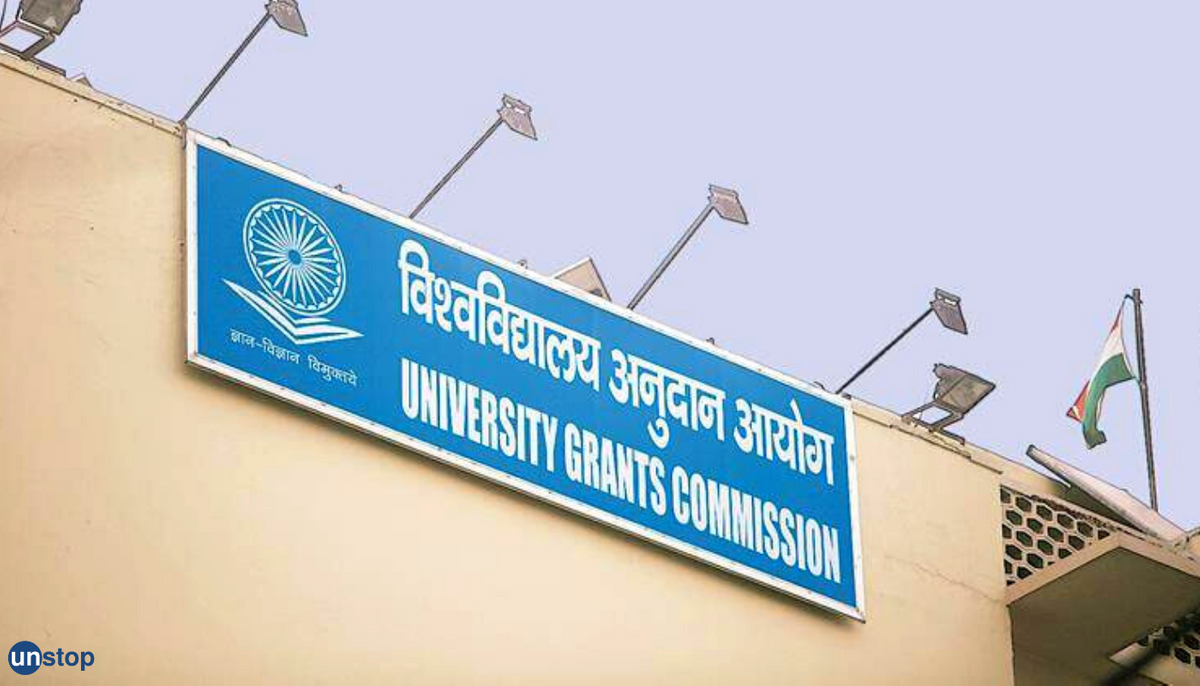
As per the latest guidelines issued by the University Grants Commission (UGC), a Master's degree is no longer essential to start a Ph.D. in India. Once the new 4-years undergraduate program by the UGC is implemented, candidates can go for a Ph.D. straightway after completing the bachelor's degree.
In the present system, a candidate has to get a 2-years PG degree after a 3-years UG degree to enter the research ecosystem. Under the new system, research aspirants can save one year by going into a Ph.D. course directly after completing the undergraduate degree.
The MPhil degree, which used to serve as a bridge for PG students to get into research has now been scrapped. Top-ranked Central Universities like the University of Delhi and JNU have already scrapped the MPhil degree.
Also read: 100 Years Of Fests, Elections, Societies And A Culture That Sets Apart DU From Others!
Under the new 4-year undergraduate degree scheme, students will be introduced to research in the 4th year of the course. The VC of the Central University of Punjab, RP Tiwari, said that the new system to be introduced by the UGC will reduce the number of years spent in the higher education system.
Tiwari said, "the minimum period for completing a Ph.D. has also been reduced from three to two years. However, the maximum years for completing a Ph.D. remains unchanged at six years."
"As per the higher education system that was followed earlier, students had to pursue three years of bachelor degree which would be followed by a PG degree for two years and only then, they became eligible for pursuing a doctoral degree", he added.
Tiwari also pointed out that the New Education Policy 2020 also advocates that graduates with a four-year bachelor's degree should be allowed to directly apply for the Ph.D. program.
"The fourth year of the bachelor's degree is mainly devoted to the research domain, which will give research exposure to the students at the UG level itself. However, a section of students who feel that they haven't got the required exposure to the research domain in their four-year UG degree should be allowed to pursue one year in PG and then join the Ph.D. programme," Tiwari explained.
Also read: UGC To Introduce Dual Degree Programmes In India: Guidelines Coming Soon!
Tiwari believes that this system will meet the needs of diverse learners and even though the enrollment in the PG courses will go down, the Gross Enrollment Ratio (GER) will not be impacted.
Anil Joseph Pinto, the registrar of Christ University, Bangalore, said that the decision of UGC will be especially beneficial to Science students as they can directly go for research in their early twenties.
"By entering the research ecosystem early, the students will have a better foundation. However, now most of the master's programmes in basic and social sciences will see a reduced enrollment. This type of system is being followed in the top universities of the United States of America," Pinto said.
You might also be interested in reading.
- QS World University Rankings 2023; IISc Top-Ranked Indian Institute At 155 & 8 IITs In Top 500
- IGNOU MBA Admissions 2022; Apply For MBA & MCA Courses In ODL Mode Before 31st July!
- A Fan Of 5-Minute Crafts? Here Is Something Useful That Even Impressed The Mahindra Group Chairman
- AICTE And Indian Green Building Council Partners To Train Architecture Students In Green Concepts
- NAAC Proposes 10 Percent Marks For ‘Higher Order Cognition’ In College-Level Examinations
Login to continue reading
And access exclusive content, personalized recommendations, and career-boosting opportunities.
Don't have an account? Sign up

Never miss an
Update

Featured Opportunities



Top-Rated Practice by Students






Subscribe
to our newsletter







Comments
Add comment