


 Home
Home


HP Power Lab 3.0
Table of content:
- What is an AI‑Powered Hiring Platform?
- Checklist for Choosing the Right Hiring Platform (Step-by-Step Guide)
- Essential Features to Look for in a Hiring Platform
- Quick Evaluation Framework Snapshot
- 5 Tips to Nail Your Selection of AI-powered Hiring Platform
- Conclusion

Choosing the Right Hiring Platform: Feature Checklist + Buyer Tips
Find how to choose the right AI-powered hiring platform with our complete guide—checklist, feature breakdown, evaluation framework, and expert buyer tips.
 0 min read

With the global tech and AI landscape changing at a dynamic pace that it is, hiring has never been more strategic. Add to that the sheer volume of applications, language diversity, and fast-paced growth, and choosing the right hiring platform has become more vital than ever.
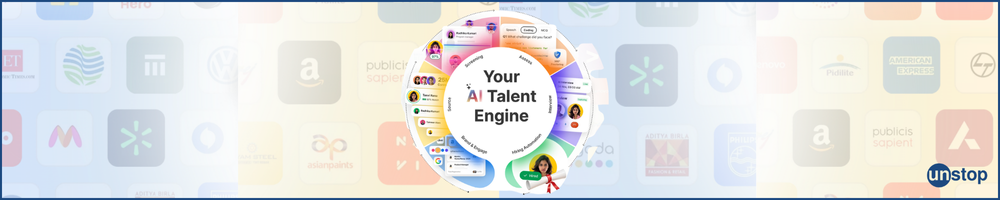
Mind it, that the decision isn’t just about choosing tools, it’s more about building a well-oiled AI talent engine for all your needs. In this guide, you'll get:
- A clear feature checklist aligned with your hiring goals
- A framework for comparing and scoring platforms
- Pro tips to confidently navigate vendor demos and pilots
By the end, you'll be equipped to choose the right AI-powered hiring platform that drives speed, quality, scalability, and ensures fairness in India’s unique talent landscape.
What is an AI‑Powered Hiring Platform?
An AI-powered hiring platform is a unified system that harnesses intelligent automation and data analytics to streamline end-to-end recruitment:
- Smart sourcing & matching, with auto-posting and AI-led resume analysis
- Automated screening & assessments to score candidates consistently
- Chatbot-driven engagement & scheduling for smooth workflow
- Predictive analytics to forecast skill needs and hiring trends
- Built-in fairness controls (bias checks, anonymized workflows)
- Secure compliance & seamless onboarding handoffs
Want a deeper dive into these capabilities? Read: What Is A Hiring Platform? A Complete Guide For HR Leaders
Checklist for Choosing the Right Hiring Platform (Step-by-Step Guide)
Use this checklist as your blueprint to assess and select a hiring platform that aligns with your goals, team, and specific needs:
1. Define Your Hiring Needs & Priorities
Start by pinpointing your core recruitment goals:
- Are you hiring at scale (e.g., freshers, campus drives)?
- Is diversity and inclusive sourcing a mandate?
- Do you need niche or skill-based hiring?
- Are you building proactive talent pipelines?
Why it matters: Defining target outcomes ensures you prioritize platforms tailored to your needs, not generic solutions.
2. Build & Research Your Vendor Shortlist
Compile a list of vendors that meet your needs. You can do this through referrals from peers or recruitment communities, or by browsing review platforms.
What to check: Do they showcase use cases specific to your needs (e.g., multilingual, DPDP compliance)? Can they support Tier-2/3 sourcing?
3. Evaluate Features & Integration Capabilities
Cross-check your shortlist against essential features (see the next section for these), including:
- AI-enabled sourcing and resume screening
- Engagement tools (chatbots, auto-scheduling)
- Assessments and scoring
- Analytics & diversity forecasting
- Onboarding workflows and regulatory compliance
- Integrations via open APIs or ecosystem plugins
4. Analyze Total Cost of Ownership (TCO)
Evaluate pricing beyond the subscription fee:
- Licensing model: Is it per recruiter, per job, or enterprise seat?
- Setup costs: Are there costs for customization, data migration, and training?
- Hidden charges: Are there any extra modules, integrations, or premium support?
- Support scope: Check if the AI-powered hiring platform supports round-the-clock or regional hours.
Why it matters: A transparent pricing structure prevents budgetary surprises and aligns expectations across stakeholders.
5. Run a Pilot or Proof of Concept
Evaluate shortlisted platforms via live demos or sandbox accounts:
- Simulate a real hiring campaign
- Track metrics like time-to-fill, application completion, diversity, and user satisfaction
- Gather feedback from recruiters, hiring managers, and IT teams.
6. Check Vendor Reputation & Support
- Read company reviews and industry forums for real user experiences
- Ask vendors for references—select from current, early-stage, and churned clients
- Test support responsiveness during the pilot phase
7. Validate Compliance, Security, and Ethical AI
Ethical integrity and compliance with regulatory & security standards are extremely important, especially when you are hiring at scale. Check:
- Is the platform compliant with GDPR, DPDP, and local labor regulations?
- Do they provide SOC 2/ISO 27001 certifications and audit logs?
- Do they offer explainable AI and bias-testing protocols?
8. Engage All Stakeholders
Conduct a collaborative evaluation of the tools, as it helps build buy-in and broad usability. Include:
- Recruiters & hiring managers to assess user experience and time savings
- IT teams to validate security, integrations, and SSO logistics
- Legal/compliance to review data handling and bias mitigation
- Finance/leadership to align investment with business ROI and strategic impact
9. Plan for Adoption & Change Management
After you have created a shortlist and are close to zeroing in on a platform, check everything for rollout. It should include:
- Training and onboarding support
- Internal champions to drive adoption
- Clear success criteria and user tracking metrics
- Regular vendor check-ins and feature updates
10. Make the Final Decision
Compare platforms using an evaluation mechanism to make the final decision. For example:
- Score based on feature fit, cost, user feedback, and vendor strength
- Prioritize platforms that tick must-have boxes (e.g., secure, inclusive, scalable)
- Negotiate terms, finalize the scope, and SLAs (service-level agreements)
Also read: How AI-Powered Hiring Platforms Are Transforming Talent Acquisition
Essential Features to Look for in a Hiring Platform
Here is a quick checklist of features that should be non-negotiable when choosing the right hiring platform:
1. AI-Enabled Sourcing & Job Distribution
- Automatically post jobs across top Indian boards and niche portals.
- An AI-powered ATS/tools to match keywords, skills, and past hires to recommend candidates.
Why it matters in India: With vast regional diversity, platforms must offer AI-based matching and multilingual support to cast the widest net.
2. Automated Resume Screening & Smart Parsing
- NLP-driven parsing extracts skills, experience, and education instantly.
- Auto-screening scores candidates based on fit and flags biases.
Why it matters: Reduces manual shortlisting and accelerates bulk hiring.
3. Chatbots & Automated Scheduling
- Chatbots conduct initial dialogs, resolve FAQs, and schedule interviews based on recruiter calendars.
- Chat responses and reminder nudges help reduce no-shows dramatically.
Why it matters: In a candidate-driven market, efficient engagement improves employer brand and lowers dropout rates.
4. AI-Based Assessments & Scoring
The hiring tool you select must support diverse assessment types, video interactions, psychometric, and domain tests with auto-scoring and AI analytics.
Why it matters: Ensures fair, consistent assessment across large applicant pools with minimal manual effort.
5. Predictive Analytics & Hiring Insights
- Dashboards display time-to-hire, pipeline gaps, and diversity metrics.
- Predictive tools forecast talent shortages and hiring outcomes.
Why it matters: Enables proactive hiring planning, critical in dynamic markets in India.
6. Bias & Fairness Controls
- Anonymized shortlists, bias detection, structured evaluations.
- Regular bias audits ensure compliance with fairness standards.
Why it matters: Supports merit-based hiring and inclusive pipelines across Tier 2/3 cities.
7. Security, Compliance & Onboarding Workflow
- Secure data encryption, GDPR/DPDP compliance, and audit trails.
- Seamless handoff to onboarding modules.
Why it matters: Meets India’s data norms and simplifies early-stage HR workflows.
8. Scalability & Integrations
- Supports thousands of hires/month with auto-scaling infrastructure.
- Connects with HRIS, Payroll, and HRMS via API or native integrations.
Why it matters: Enables end-to-end workflow management from sourcing to payroll—especially valuable for multi-location hiring.
Quick Evaluation Framework Snapshot
Here is a mini-framework to help you objectively evaluate and compare shortlisted hiring platforms using a weighted decision matrix:
How It Works
|
1. Define Evaluation Criteria |
Choose 6–8 key factors based on your needs:
|
|
2. Assign Weights |
Allocate weight to each criterion based on importance (e.g., analytics = 20%, pricing = 15%, compliance = 15%). Ensure total equals 100 %. |
|
3. Rate Each Platform |
Give each platform a score out of 5 per criterion (1=poor, 5=excellent), based on demos, pilots, and reference checks. |
|
4. Calculate Weighted Scores |
Multiply each score by its criterion weight and add up for a final total. The highest-scoring platform stands out objectively . |
5 Tips to Nail Your Selection of AI-powered Hiring Platform
These key strategies will help you choose the right hiring platform confidently, balancing features, culture fit, and long-term value:
1. Start with Real Hiring Challenges
Begin with your actual pain points—like long time-to-hire, candidate drop-off, or poor diversity—and align vendors to these needs. Defining measurable success criteria (e.g., 40% improved time-to-hire) helps guide ROI-driven vendor evaluation.
2. Audit Your Current Tech Stack
Before exploring new tools, analyze your existing systems to uncover gaps or redundant tech. Is your job posting, screening, or analytics disjointed? Understanding this helps you avoid overlaps and unnecessary spending.
3. Engage All Relevant Stakeholders Early
Involving hiring managers, recruiters, IT, legal, and finance upfront ensures the platform checks all operational, technical, and compliance boxes. SHRM recommends early inclusion of IT and compliance teams for smooth deployment and risk mitigation .
4. Pilot with Real-World Use Cases
Run live tests with real data—simulating actual hiring scenarios: campus drives, technical roles, bulk hiring—to assess usability, results, and candidate feedback.
5. Ask the Tough Questions During Demos
Probe deeper on critical topics:
- How transparent is your AI scoring?
- How do you audit for bias?
- What security certifications do you hold (SOC 2, ISO 27001)?
- How scalable is your pricing model?
Conclusion
Choosing the right AI-powered hiring platform means unlocking smarter, faster, and fairer recruitment across India. With 75% of recruiters directing up to 70% of hiring budgets toward AI-driven tools, this isn't just adoption—it's transformation.
From automating screening and engaging candidates to forecasting talent needs and ensuring inclusive hiring, the right platform helps HR teams deliver strategic impact across all hiring stages—whether campus drives, tech scouting, or onboarding.
🎯 Ready to Transform Your Recruitment?
Unstop’s AI-Powered Hiring Platform is built to meet all your unique hiring demands. Ranging from AI-led sourcing and resume parsing to analytics dashboards for speed, quality, and diversity, it’s got it all covered. Don't wait, make your hiring process a strategic advantage!
Suggested reads:
Login to continue reading
And access exclusive content, personalized recommendations, and career-boosting opportunities.
Don't have an account? Sign up

Never miss an
Update




Top-Rated Practice by Students




Subscribe
to our newsletter


Blogs you need to hog!
Organize Hackathons: The Ultimate Playbook With Past Case Studies
Shivani Goyal

What is Campus Recruitment? How To Tap The Untapped Talent?
Shivangi Vatsal
Lateral Hiring: A Complete Guide To The Process, Its Benefits, Challenges & Best Practices
Srishti Magan
Step-By-Step Approach To Building A Winning Campus Recruitment Strategy
Srishti Magan

Comments
Add comment